HooMagic

Gear Up for Giants: The Bigeye Tuna Bundle

Tournament winning Lures

Since 2020 over 10 Million Dollars has been won on our HooMagic Lure, in major tournaments around the world. You could be NEXT!

HooMagic

A Tuna's Worst Nightmare

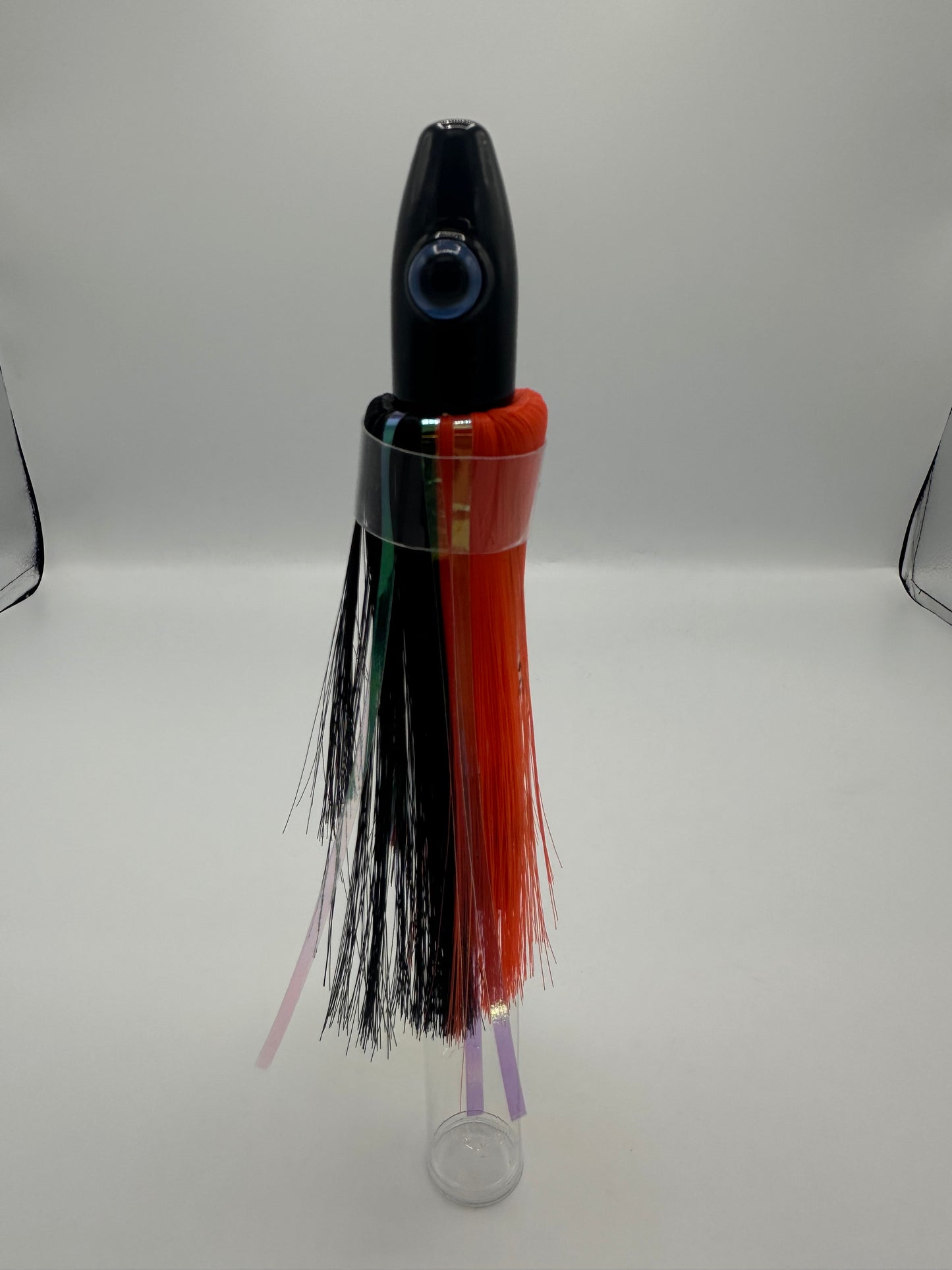
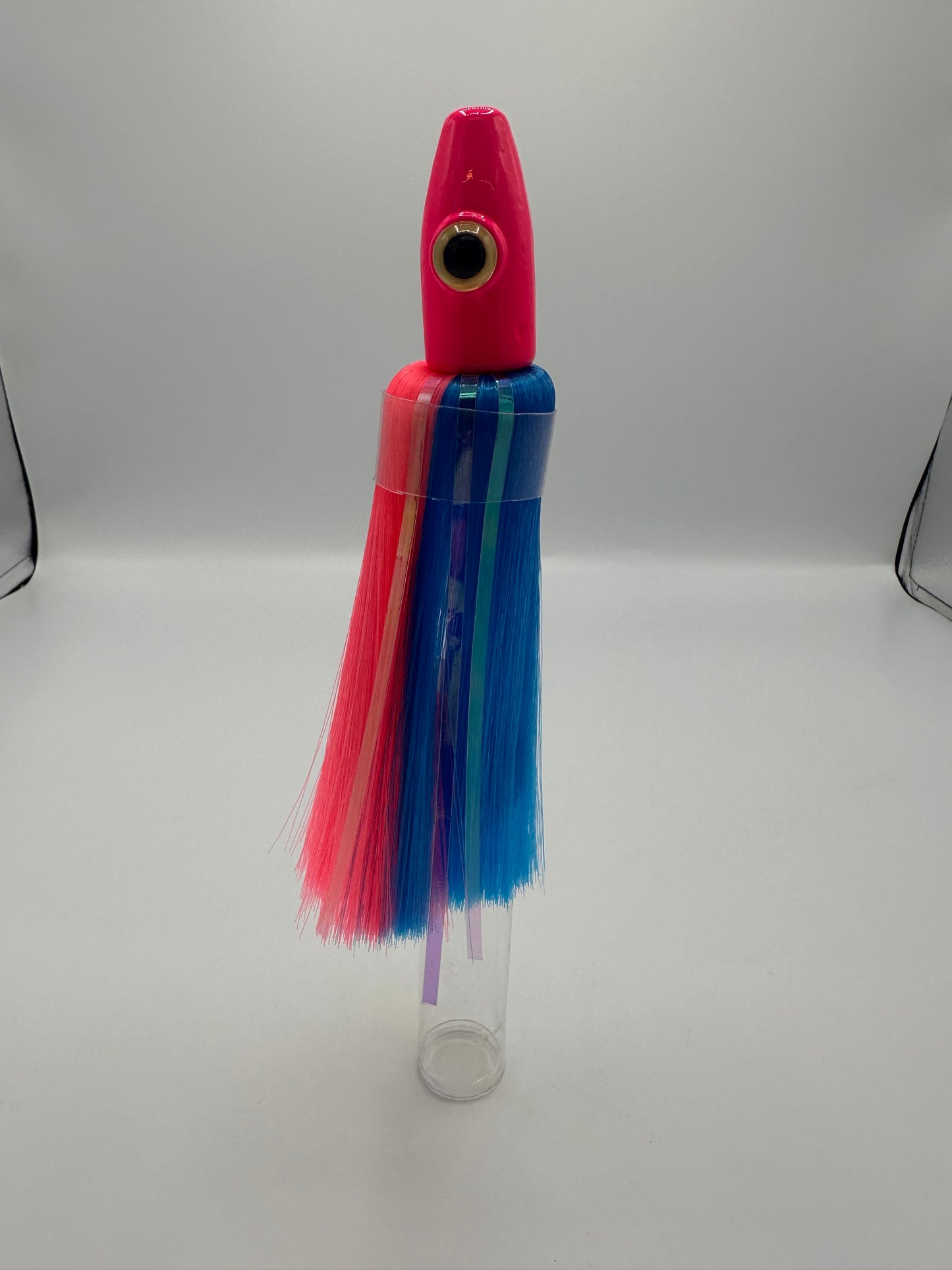
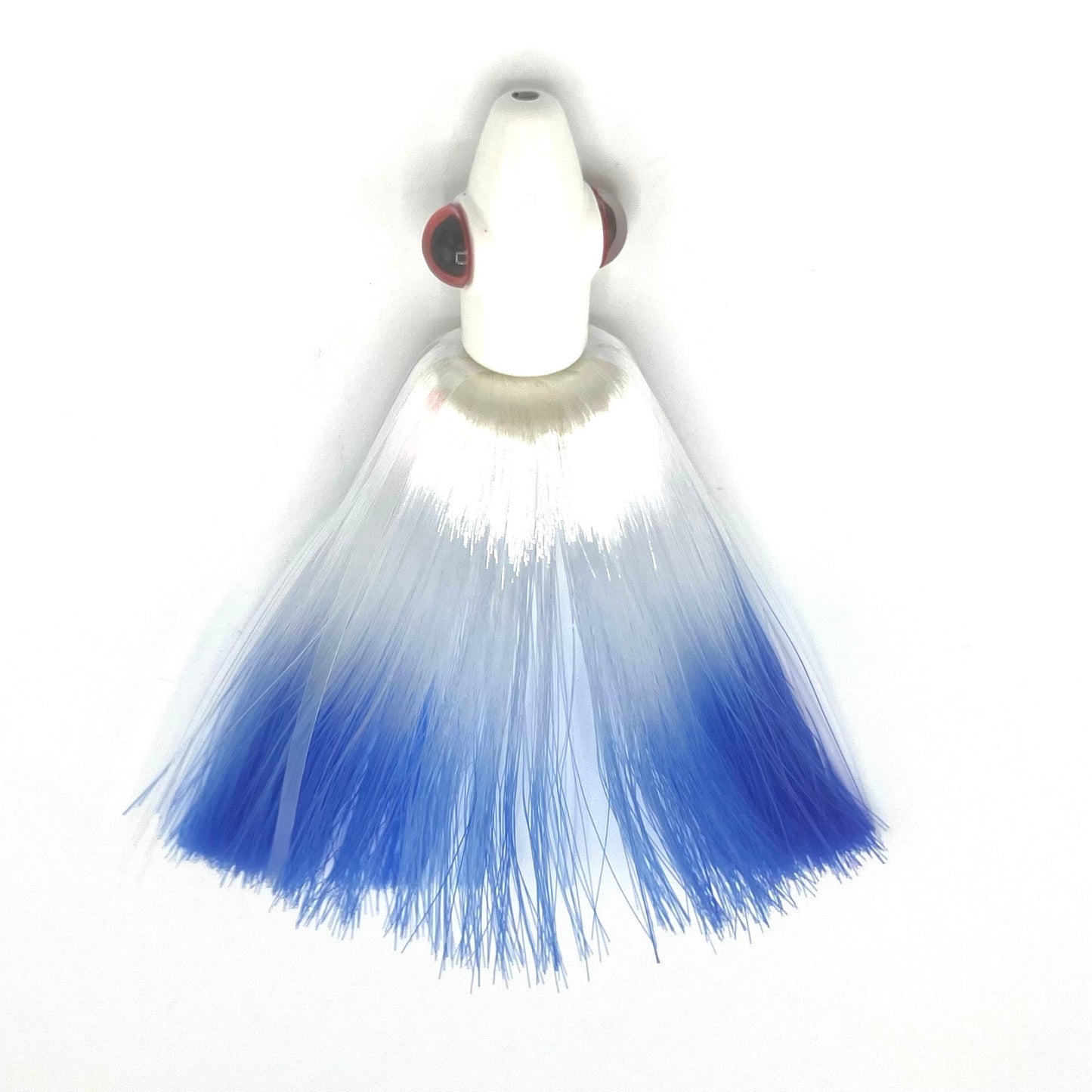
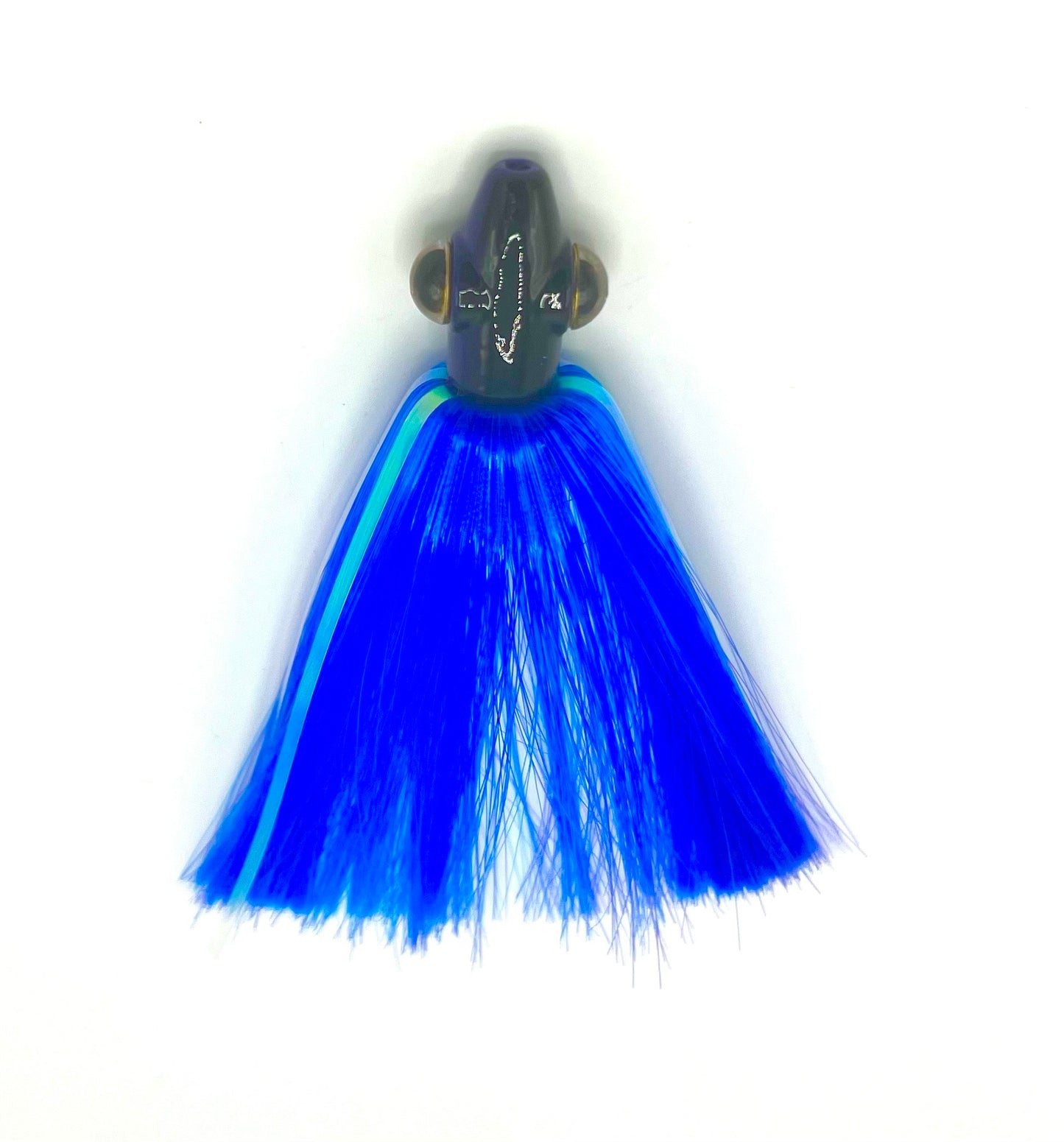
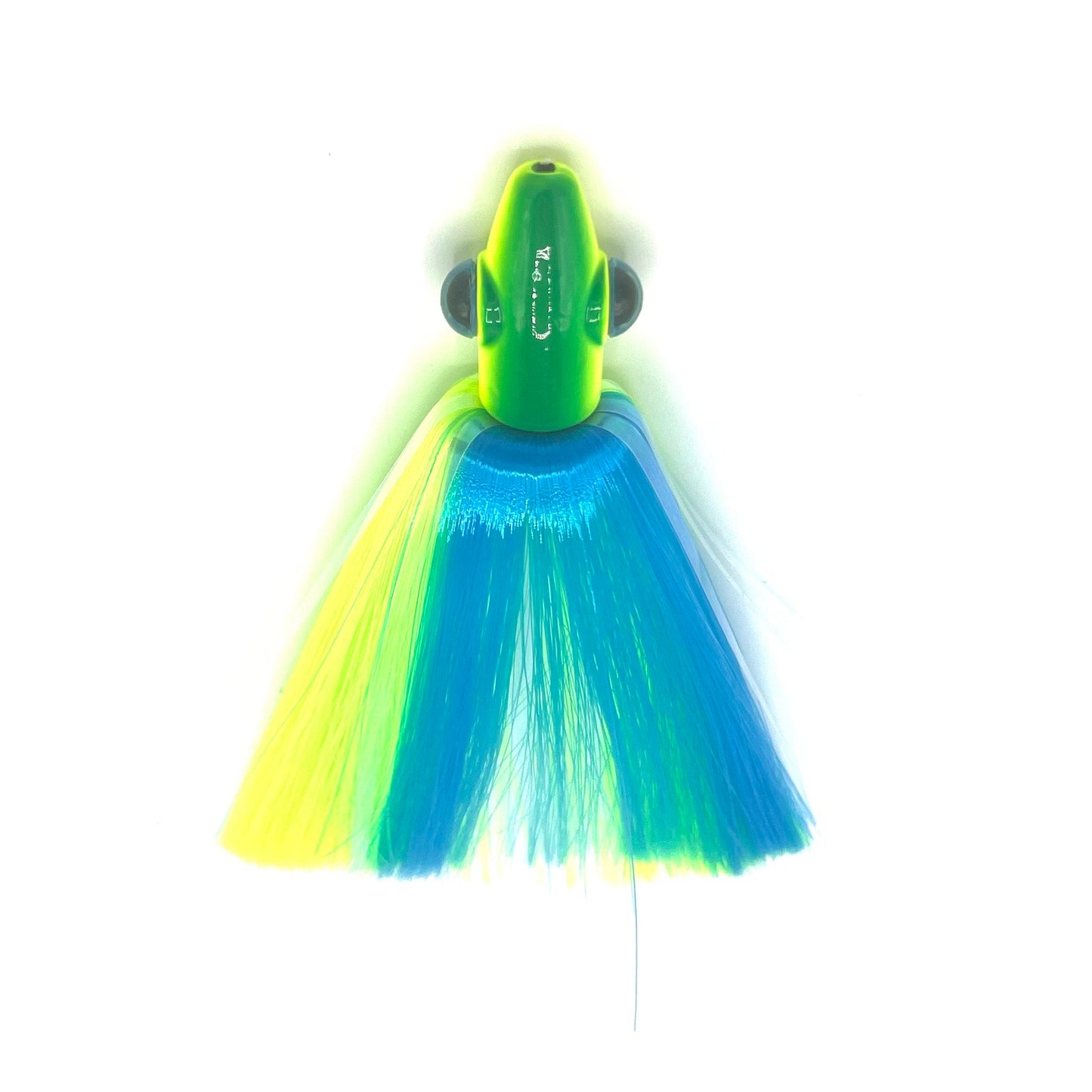
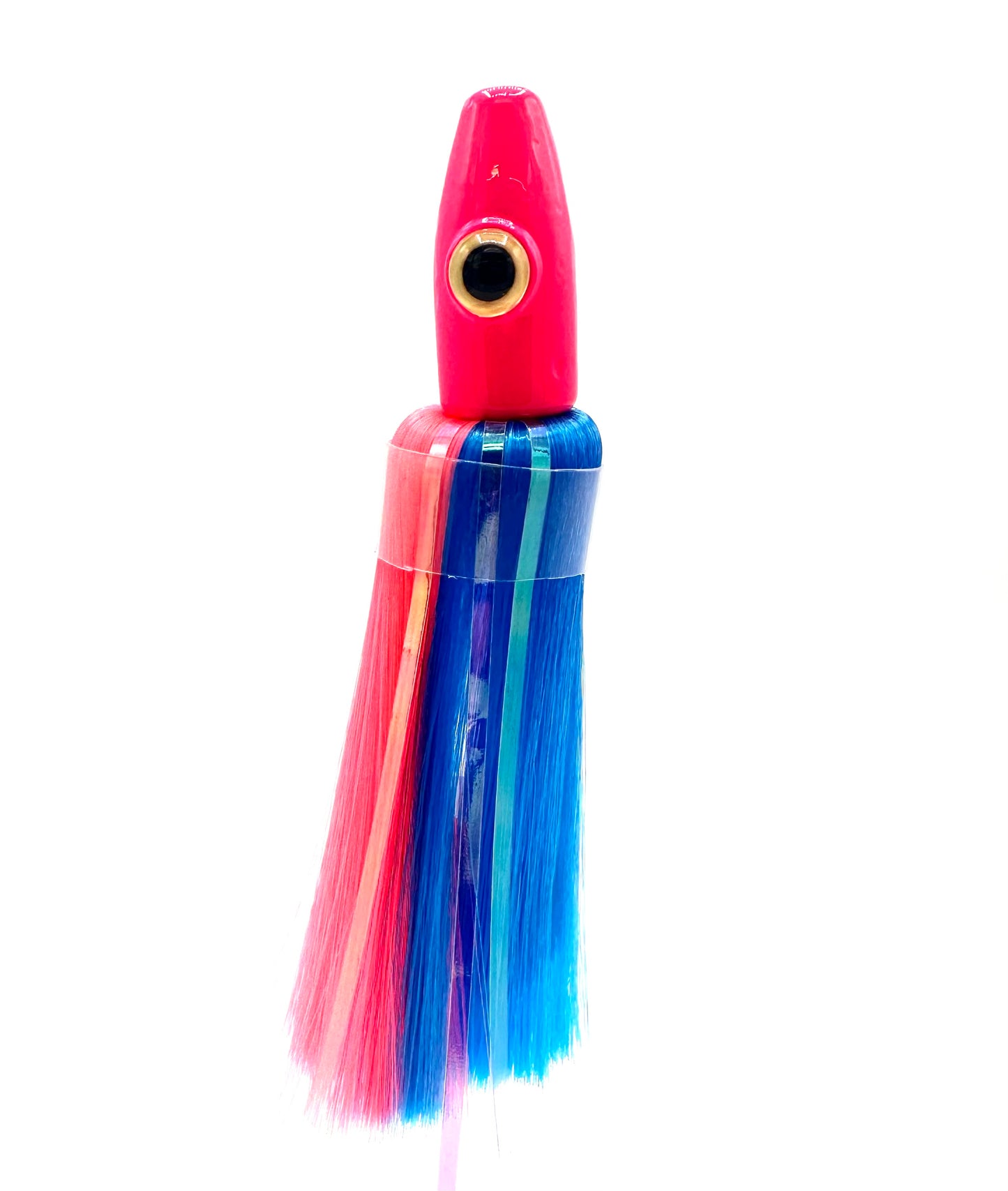
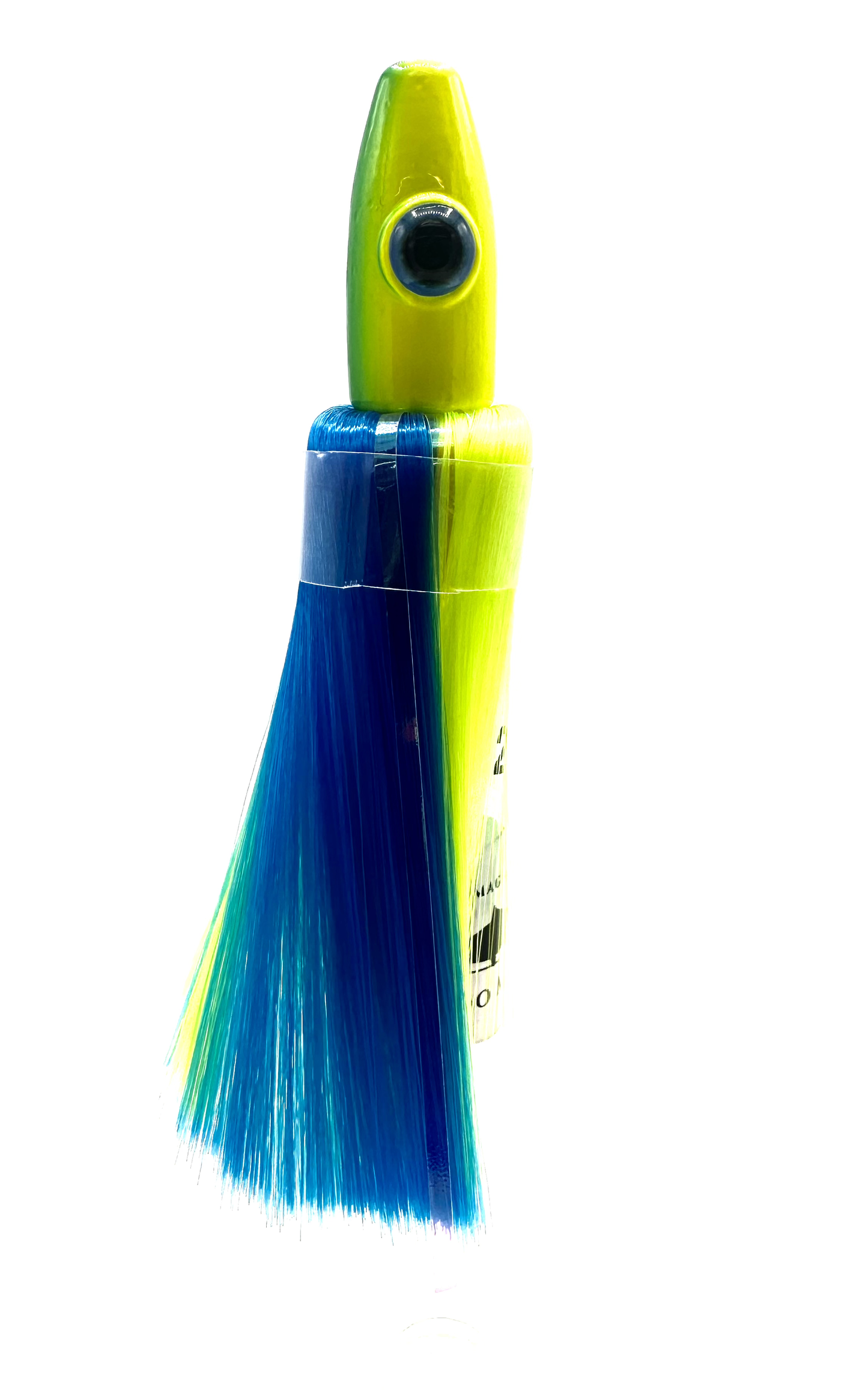
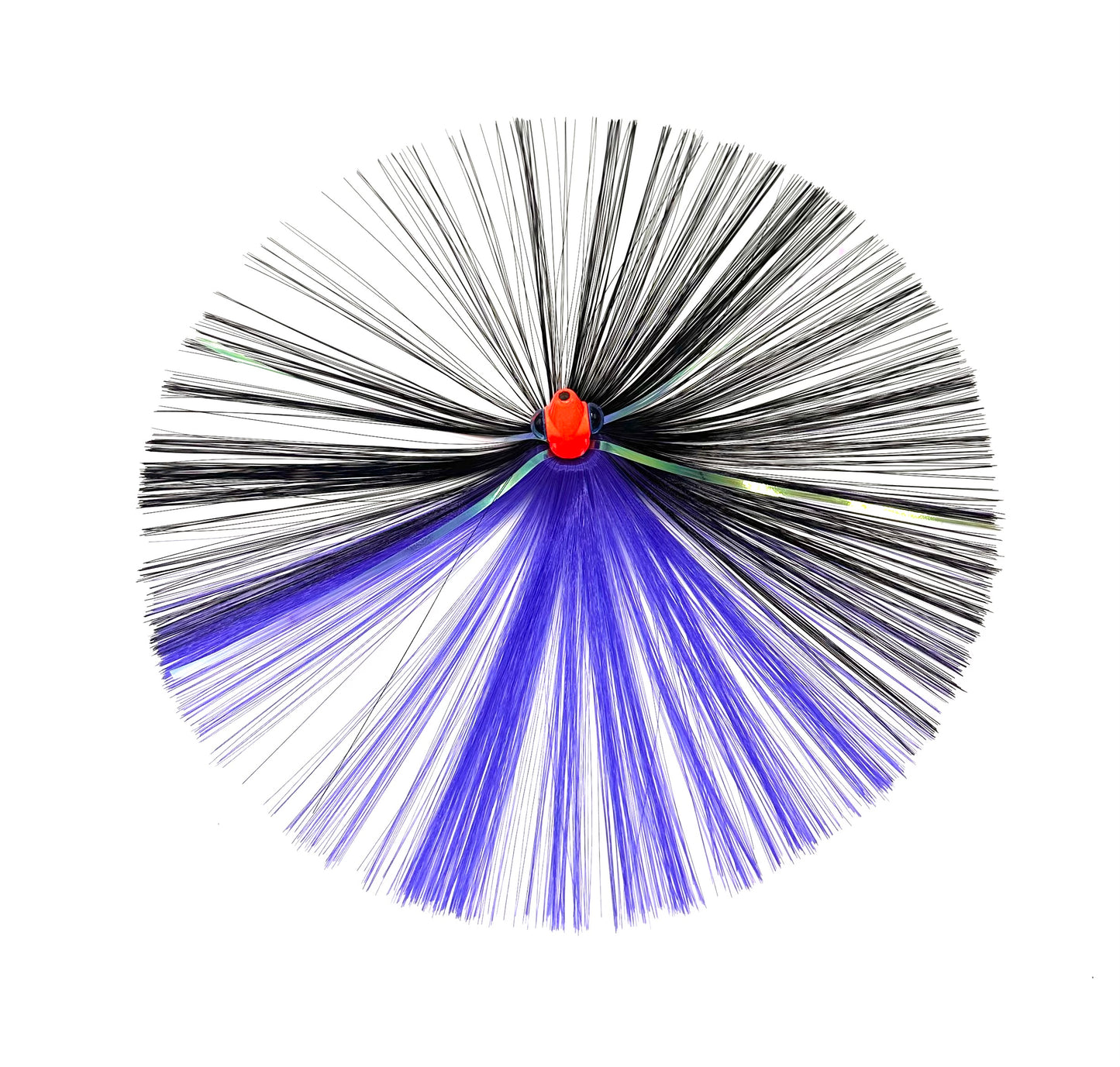
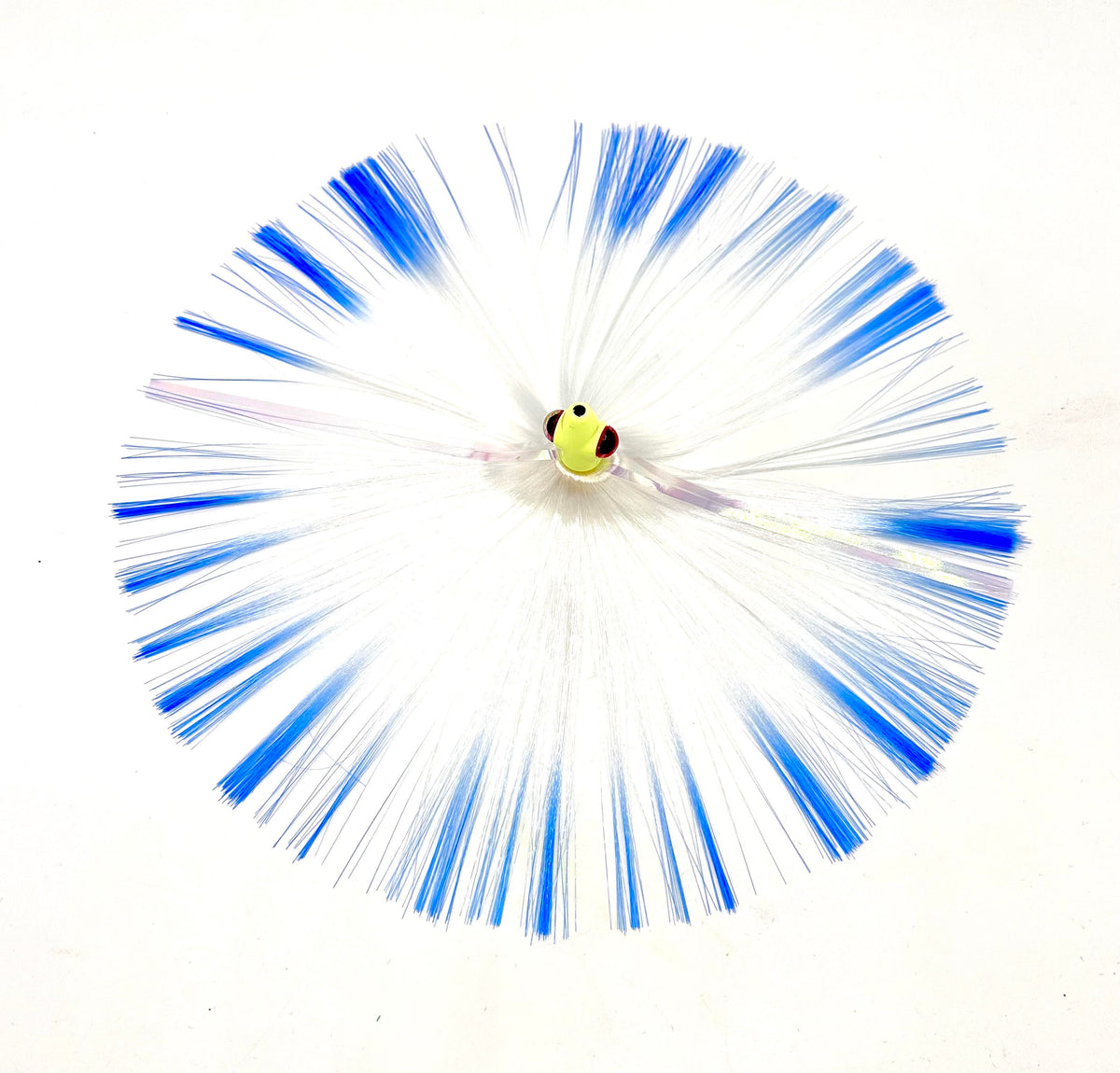
The HooMagic Lure lineup features multiple sizes and colors, along with rigged and unrigged options. It is highly effective on tuna, Mahi Mahi, Marlin, Wahoo, and other offshore species.

Gear Up for Giants: The Bigeye Tuna Bundle

Science of the HooMagic

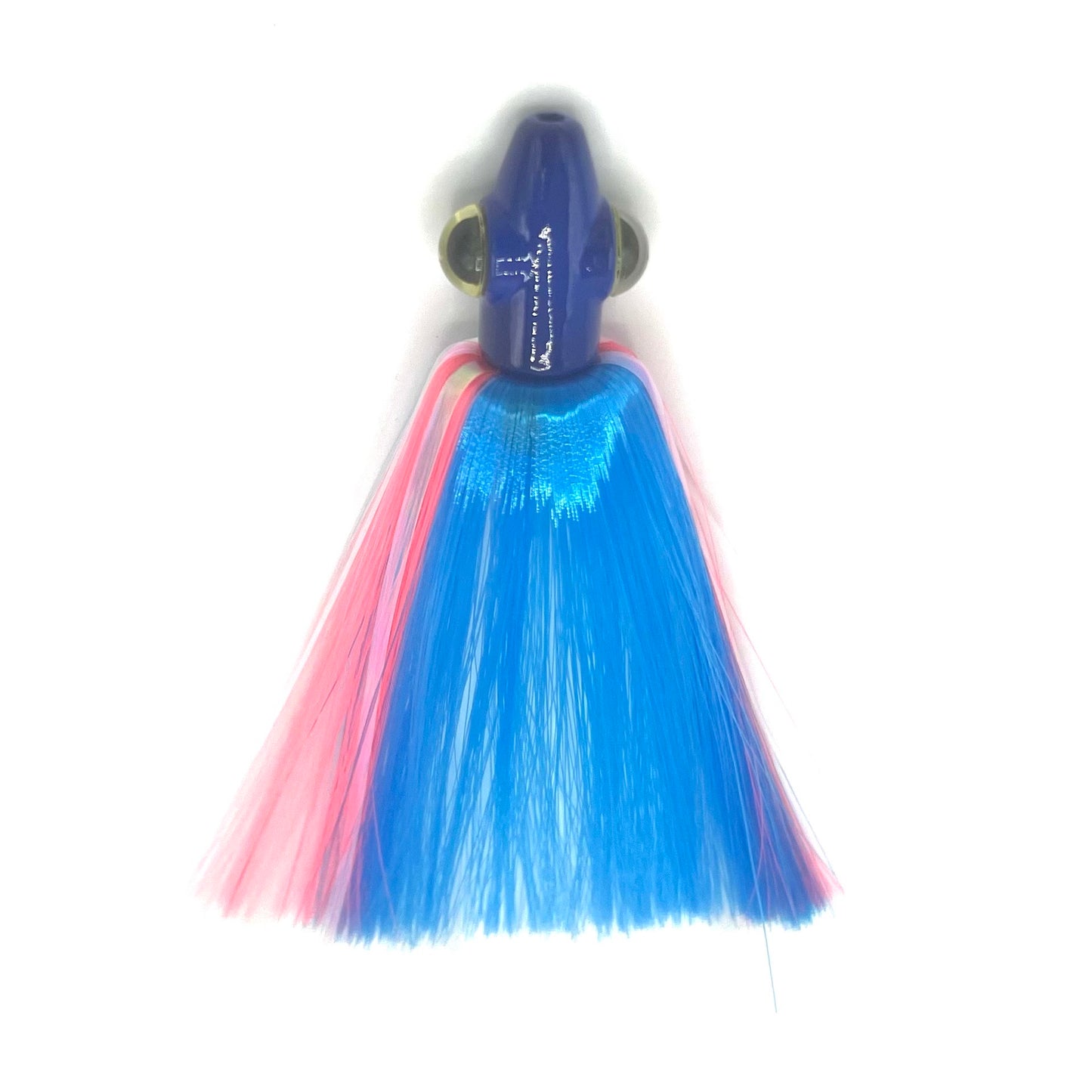
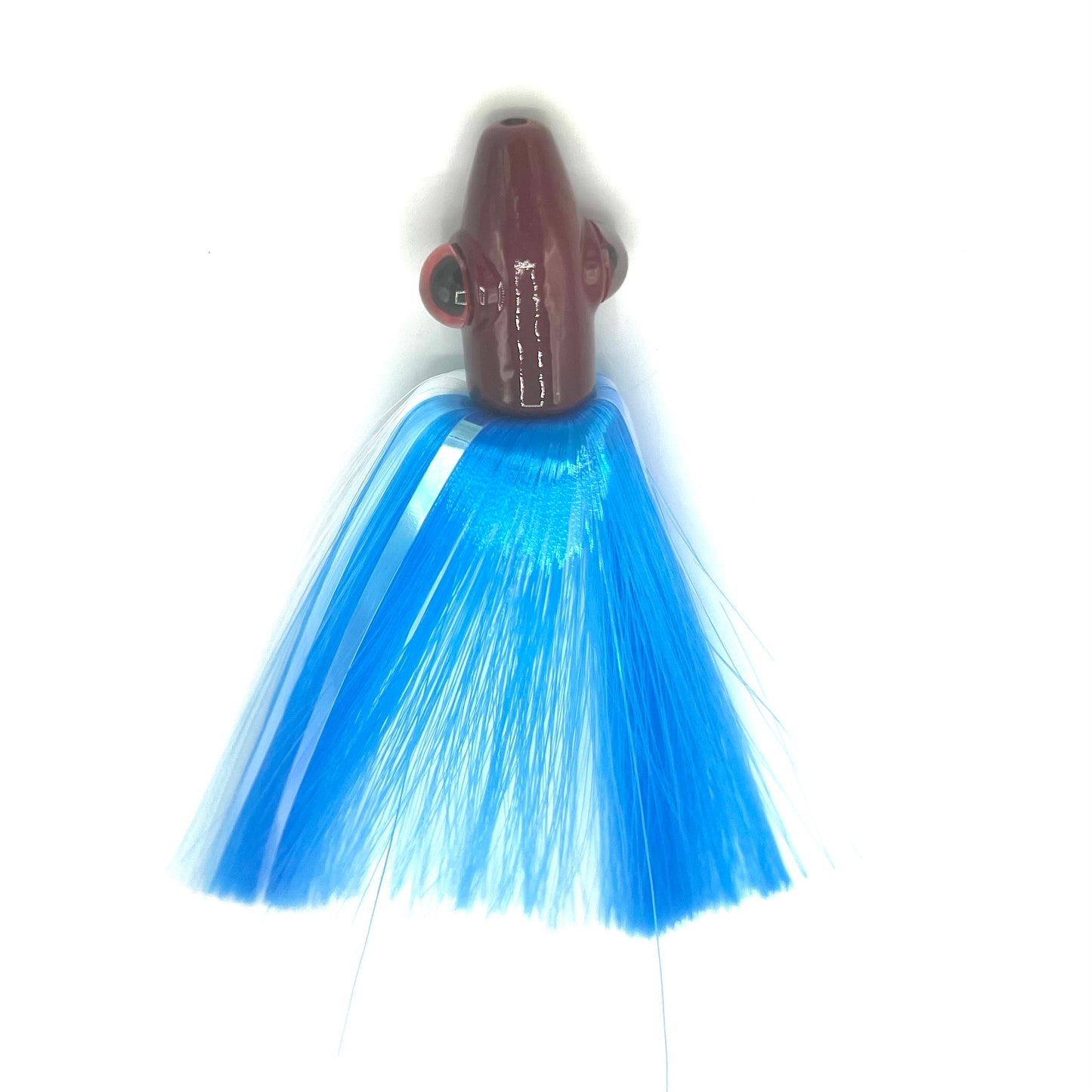
The "Bug Out Eyes" on the Magictail HooMagic lures serve a dual purpose: they act as a hydrodynamic stabilizer and a biological strike trigger.
Here is the science behind why these oversized, protruding eyes lead to more bites:

1. Hydrodynamic "Tracking" and Stability
Unlike standard flat-head lures, the protruding "bug eyes" create specific water resistance patterns that stabilize the lure at high speeds.
• Center of Gravity: The placement of the weighted eyes helps lower the lure's center of gravity. This prevents the bait from "rolling" (spinning uncontrollably), ensuring that the ballyhoo or soft plastic trailer remains in a natural, upright position.
• Keel Effect: In fluid dynamics, these protrusions act like a small keel. They provide a "tracking" effect that allows the lure to stay in the strike zone even in heavy seas or at high trolling speeds, making it look like a healthy, purposeful fish rather than a piece of tumbling debris.
2. The "Vortex Kick" (Increased Action)
As water flows over the raised surface of the eyes, it creates small turbulent eddies or vortices behind them.
• Increased Displacement: The "bug out" shape displaces more water than a smooth head. This displacement causes the tail of the lure to have an "extra kick"—a subtle side-to-side swimming vibration that predatory fish can feel through their lateral line system (the organ fish use to "touch" objects at a distance).
• Erratic Realism: This extra turbulence gives the lure a more "nervous" or erratic swimming motion, which mimics a distressed baitfish—a primary signal for predators to attack.

3. The Biological "Targeting" Response
Predatory fish like Tuna, Wahoo, and Marlin are visual hunters that rely on Key Stimuli to decide when to strike.
• Strike Point Orientation: Most game fish are hardwired to strike at the head of their prey to incapacitate it quickly. The oversized, realistic eyes provide a high-contrast "bullseye," focusing the predator’s attack on the front of the lure where the hook is most likely to catch.
• Evolutionary Trigger: In nature, large eyes often indicate a fleeing or panicked baitfish. By exaggerating this feature, the HooMagic "hacks" the predator's instinct, triggering a reflexive strike response (often called a "reaction bite") before the fish has time to realize the lure isn't real.

How to rig a Split Bill Ballyhoo

1 of 5
1 of 5